

Summer travel series: The power of a kitchen
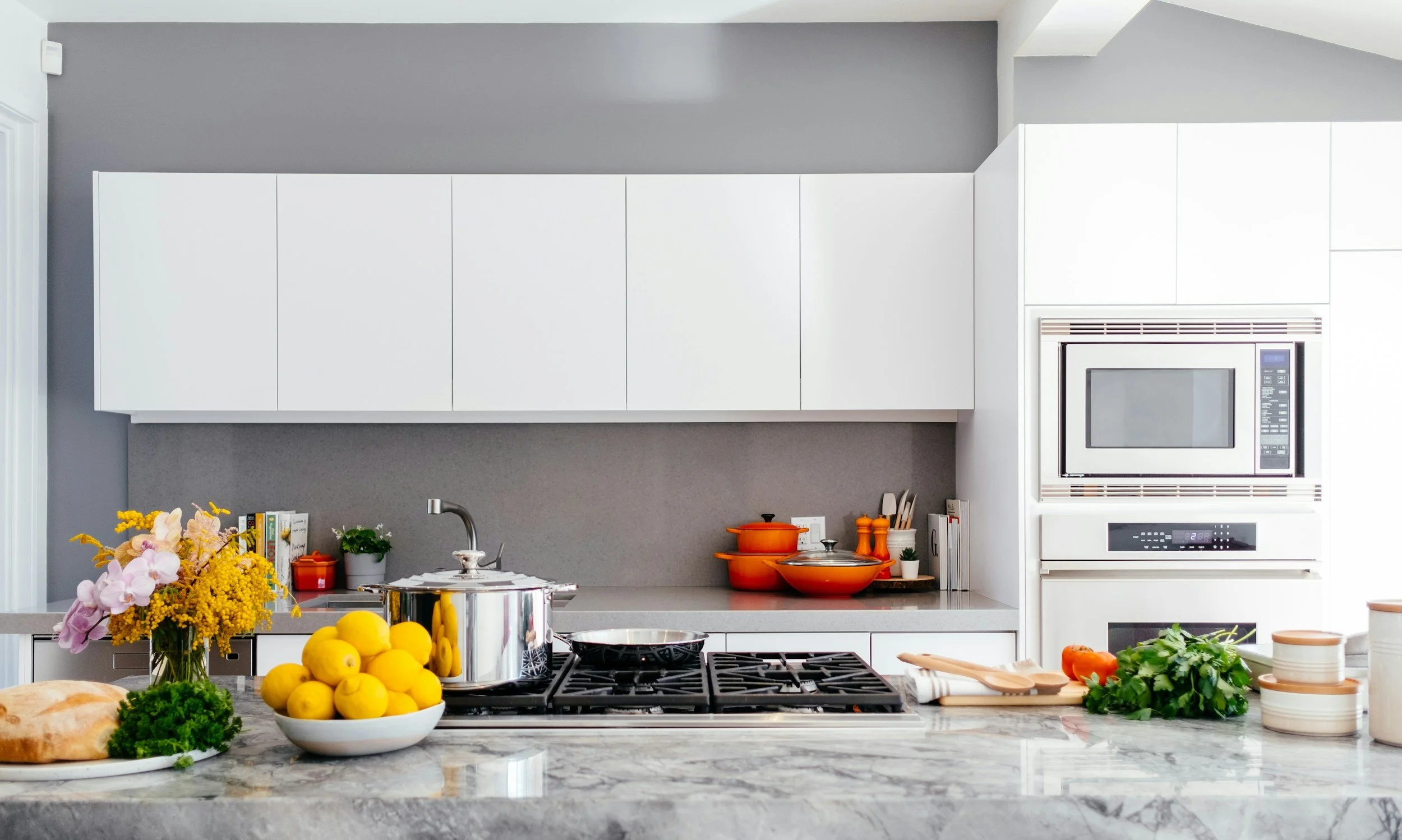
One of the most impactful strategies for sustaining healthy nutrition while traveling is to choose accommodations that feature a kitchen or kitchenette. This simple adjustment grants you the autonomy to manage your intake by preparing your own meals and snacks directly in your temporary home.
Specifically, it eliminates the necessity of eating out for breakfast and lunch—the meals that most frequently disrupt healthy routines—by providing the space to stock and cook wholesome options. By leveraging these facilities, you can save money, reduce reliance on processed convenience foods, and ensure you remain energized throughout your travels.
With access to just a refrigerator, basic utensils, and a cutting board, you can create balanced, nutrient-dense meals by focusing on assembly rather than complex cooking. Here are several healthy options that leverage simple ingredients you can store and prepare easily:No-Cook Assembled Meals
These meals rely on fresh ingredients that require only chopping or mixing, making them perfect when you lack a stove or oven.
Tuna or Chicken Avocado Boats: Mash a ripe avocado in a bowl with a fork (use your utensils). Mix in a can of tuna or pre-cooked canned chicken. Season with salt, pepper, and a squeeze of lemon if available. Scoop the mixture into romaine lettuce leaves for a "boat" that provides healthy fats, fiber, and protein.
Simple Cold Salad Bowls: Start with a base of pre-washed greens (like arugula or spinach). Top with a can of rinsed chickpeas (or other beans), a sprinkle of nuts or sunflower seeds for crunch, and your choice of chopped veggies like cucumbers or cherry tomatoes. Drizzle with olive oil and vinegar or lemon juice.
Nut & Seed Power Bowls: If you have access to raw or dry-roasted nuts (walnuts, almonds, macadamia nuts) and seeds (pumpkin, chia, sunflower), you can create a satisfying snack or meal. Pair these with portable fresh fruits like apples, pears, or berries for a balanced mix of fats and fiber.
"Set It and Forget It" Fridge Prep
If you have a container, you can prep these meals in the morning (or the night before) and let them sit in the refrigerator until you are ready to eat.
Overnight Chia Seed Pudding: Mix chia seeds with a liquid like coconut milk or water, adding a dash of cinnamon and chopped berries or pears. Let the mixture sit in the refrigerator for at least 4 hours (or overnight) to thicken. This provides a hydrating, nutrient-rich breakfast or snack.
Grated Veggie Salads: Using your cutting board, finely grate carrots and beets. Store them in a container. They stay fresh for a couple of days in the fridge and can be mixed with olive oil and herbs for a quick side dish or salad base.
Simple Stovetop Options (If you have a burner/pot)
If your "simplest cookware" includes a small pot or pan, you can expand your options:
Boiled Eggs: A highly portable protein anchor. Boil a batch and store them in the fridge to add to any salad or eat on their own.
Quick Veggie Sauté: If you have a small frying pan, you can quickly sauté pre-chopped veggies (like zucchini or spinach) in a little olive oil. This takes only a few minutes and adds warmth to your meal.
Pro-Tip for Travel:
Focus on building meals with three components—protein, healthy fats, and fiber—to keep your energy stable. Relying on canned proteins (tuna, chicken, chickpeas) and pre-washed greens significantly reduces your prep time while ensuring you stay on track with your nutrition goals.