

Gardening essentials part 3: how to move heavy items safely.
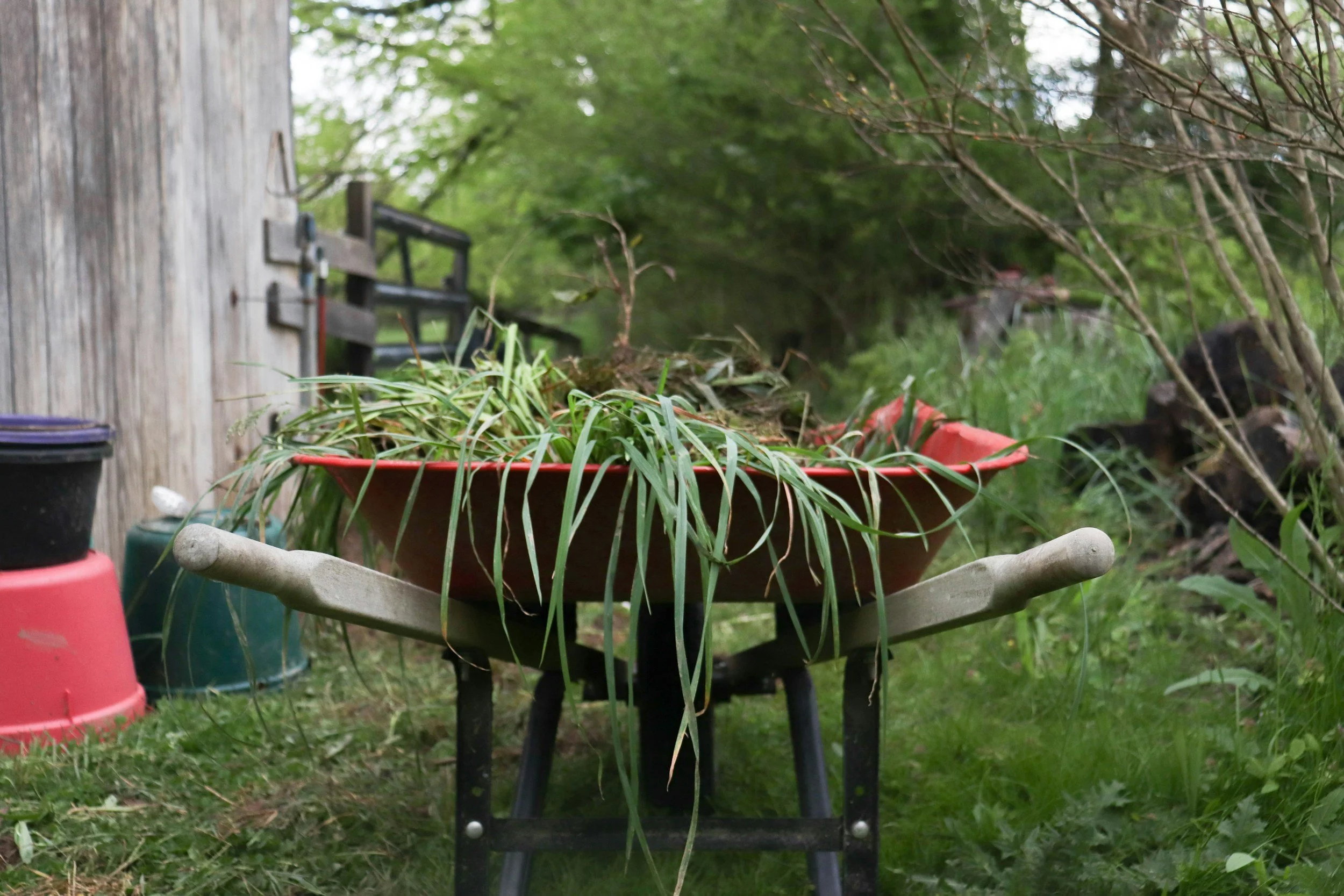
Moving heavy items around your garden is often a necessity but can wreak havoc on backs, shoulders, necks, knees, and ankles if not managed safely. This week we are covering how to move heavy items in the garden safely.
Assess the load
Check weight and size. Estimate whether one person can safely lift, carry, and set the item down without strain or awkward posture.
Inspect for loose parts, sharp edges, or unstable components that could shift during transport.
Plan the route: identify obstacles, slopes, soft ground, steps, tight turns, and where the item will be placed.
Use the right equipment
Gloves: wear sturdy gloves with good grip to protect hands and improve hold.
Footwear: use closed-toe shoes with non-slip soles and ankle support.
Lifting aids: use a wheelbarrow, yard cart, dolly, appliance dolly, moving straps, or hand truck appropriate to the item.
Ramps and boards: use sturdy planks or portable ramps to cross steps or raised beds.
Padding and tie-downs: moving blankets, ratchet straps, or rope secure and protect items during transport.
Prepare the area
Clear the path of tools, hoses, rocks, toys, and tripping hazards.
Trim low branches and protruding plants.
If moving over soft ground, place boards or plywood to distribute weight and prevent sinking.
Get help: arrange at least one strong helper for anything heavy, bulky, or awkwardly shaped.
Lift smart
Use a stable stance with feet shoulder-width apart with a balanced stance or one foot slightly forward.
Bend at the hips and knees, keeping the spine from rounding like a turtle. Pull your belly button in towards your spine to engage your deep abdominals
Get a firm grip and hold the item close to your body.
Lift smoothly, using the backs of your legs and muscles in your butt; avoid twisting while lifting.
If you must turn, pivot with your feet rather than rotating your torso.
Set loads down by reversing the lift steps — bend knees and hips, keep the item close, and lower with control.
KORE Members, we do hinge mechanics regularly at the gym, apply this practice for the best results when lifting heavy items (see the video below)
Coordinate team lifts
Communicate before moving: agree on timing, commands (e.g., “Ready… Lift… Walk… Down”), and where each person will hold the item.
Match lifting heights and pace. One person should not be carrying more weight than others.
Keep the load level and close to the centerline between lifters.
Use mechanical advantage
Use ramps or lever systems for heavy objects like pots, stones, and pavers.
For long or very heavy items, use an appliance dolly with straps and secure the load to the dolly.
When rolling is possible (e.g., logs, heavy pots), use rollers or a skid; control the roll with wedges or guides.
Know your limits — hire professional movers for very heavy or hazardous loads.
Handle specific garden items
Paving stones and pavers: lift in small batches; use a small cart or paver dolly; avoid twisting motions.
Large pots: empty soil before moving; tip and slide onto a dolly or use two people to lift from opposite sides.
Lawn mowers and power equipment: secure fuel cap; drain fuel if necessary for long moves; use ramps to load onto carts or truck beds.
Logs and lumber: roll rather than lift when possible; use cant hooks or log tongs for control.
Raised-bed frames and furniture: disassemble if practical; carry long pieces vertically if space allows.
Following these guidelines reduces injury risk and protects your garden while moving heavy items. When in doubt—get help or use appropriate equipment.